
Early Warning Signs of Kidney Disease You Should Never Ignore
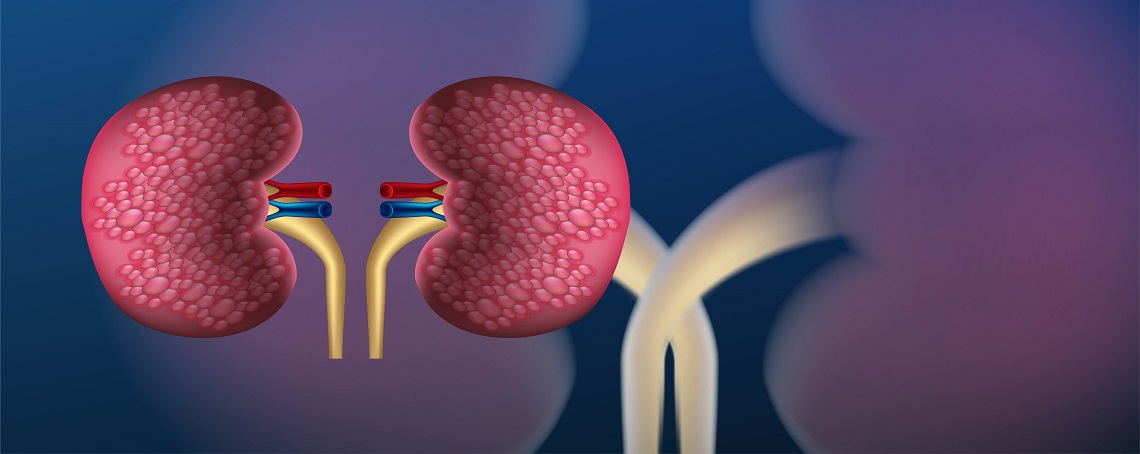
Kidneys play a crucial role in keeping our body healthy. They filter waste from the blood, balance body fluids, control blood pressure, and help maintain overall health. However, kidney disease often develops slowly and may not show clear symptoms in the early stages. Because of this, many people ignore the early symptoms of kidney failure until the condition becomes serious.
Understanding what are the first signs of kidney disease can help you take action before permanent damage occurs. Recognizing these warning signs early allows doctors to diagnose and treat the condition before it progresses into severe kidney failure.
In this blog, we will discuss the signs and symptoms of kidney damage, the common kidney health warning signs, and how you can learn how to detect kidney disease early to protect your long-term health.
Why Early Detection of Kidney Disease Is Important
Kidney disease is often called a “silent condition” because symptoms may appear only after significant damage has occurred. Many people are unaware that their kidneys are not functioning properly until they experience noticeable health problems.
This is why it is important to understand what are the first signs of kidney disease. Early detection helps doctors start treatment quickly and prevent further damage.
Some common risk factors that increase the chances of kidney disease include:
- Diabetes
- High blood pressure
- Family history of kidney disease
- Obesity
- Smoking
- Long-term use of certain medications
If you have any of these risk factors, it becomes even more important to watch for kidney health warning signs.
1. Changes in Urination
One of the most common signs and symptoms of kidney damage is a change in urination patterns.
You may notice:
- Frequent urination, especially at night
- Foamy or bubbly urine
- Dark or bloody urine
- Pain or difficulty while urinating
These changes happen because the kidneys are responsible for filtering waste and producing urine. When kidney function declines, urination patterns may change.
Monitoring these symptoms can help you understand how to detect kidney disease early.
2. Persistent Fatigue and Weakness
Kidneys produce a hormone that helps the body create red blood cells. When kidney function decreases, the body may produce fewer red blood cells, leading to anemia.
As a result, people may experience:
- Constant tiredness
- Lack of energy
- Difficulty concentrating
- Feeling weak during daily activities

These symptoms are often ignored, but they can be early kidney health warning signs and indicators of declining kidney function.
3. Swelling in the Body
Another common early symptoms of kidney failure is swelling in different parts of the body.
When the kidneys cannot remove excess fluid properly, it can accumulate and cause swelling in areas such as:
- Feet
- Ankles
- Hands
- Face
- Around the eyes
This fluid buildup is one of the clear signs and symptoms of kidney damage and should never be ignored.
4. Loss of Appetite and Nausea
When waste builds up in the blood due to poor kidney function, it can affect digestion and appetite.
People may experience:
- Loss of appetite
- Nausea
- Vomiting
- Unpleasant taste in the mouth
These symptoms are often overlooked but may be part of the early symptoms of kidney failure.
Recognizing these changes can help doctors detect kidney disease early and start proper treatment.
5. Muscle Cramps and Weak Bones
Kidneys help maintain the balance of minerals like calcium and phosphorus in the body. When kidney function declines, this balance may be disturbed.
This can lead to:
- Frequent muscle cramps
- Bone weakness
- Joint discomfort
These conditions can be additional kidney health warning signs that the body’s mineral balance is being affected by kidney problems.
Symptoms of Kidney Disease in Women
The symptoms of kidney disease in women may sometimes be mistaken for other health conditions, making diagnosis more difficult.
Common symptoms of kidney disease in women include:
- Frequent urination
- Fatigue and weakness
- Swelling in legs or face
- Difficulty concentrating
- Loss of appetite

Women may also experience hormonal changes and urinary infections that can mask kidney-related problems.
Regular health check-ups are important for detecting kidney issues early.
Symptoms of Kidney Disease in Men
The symptoms of kidney disease in men can also vary depending on the severity of the condition.
Some common symptoms of kidney disease in men include:
- Changes in urination patterns
- Swelling in feet and ankles
- High blood pressure
- Persistent fatigue
- Trouble sleeping
Men with conditions like diabetes or hypertension should pay close attention to these warning signs.
How to Detect Kidney Disease Early
Early diagnosis can prevent serious complications. Knowing how to detect kidney disease early can help protect your kidneys and overall health.
Doctors typically recommend:
- Blood tests to check kidney function
- Urine tests to detect protein or blood
- Blood pressure monitoring
- Imaging tests such as ultrasound
Regular health screenings are especially important for individuals with diabetes or high blood pressure.
Lifestyle changes such as healthy eating, regular exercise, and drinking enough water can also help maintain kidney health.
FAQs
Many people ask what are the first signs of kidney disease because the condition often develops silently. Early signs may include changes in urination, fatigue, swelling in the legs or face, and loss of appetite. Recognizing these symptoms early can help prevent serious kidney damage.
The early symptoms of kidney failure may include nausea, weakness, swelling, and changes in urine patterns. These symptoms often appear gradually, which is why regular health check-ups are important for early detection.
The most common signs and symptoms of kidney damage include fatigue, swelling, muscle cramps, loss of appetite, and abnormal urination. If these symptoms persist, it is important to consult a doctor for proper evaluation.
Doctors use blood tests, urine tests, and imaging scans to understand how to detect kidney disease early. Early diagnosis allows doctors to manage the condition effectively and prevent further complications.
The symptoms of kidney disease in women may include swelling, fatigue, frequent urination, and loss of appetite. Because these symptoms may overlap with other conditions, medical consultation is important.
Common symptoms of kidney disease in men include swelling in the legs, changes in urination, fatigue, and high blood pressure. Early medical evaluation can help prevent severe kidney damage.
Conclusion
Kidney disease can develop slowly and silently, which is why it is important to understand what are the first signs of kidney disease and recognize the early symptoms of kidney failure. Symptoms such as swelling, fatigue, changes in urination, and loss of appetite should never be ignored.
By learning the signs and symptoms of kidney damage and understanding how to detect kidney disease early, individuals can take timely action to protect their kidney health.
If you notice any kidney health warning signs, seeking expert medical advice is essential. At Vishwas Super Speciality Hospital, experienced specialists provide advanced diagnosis and treatment to help patients maintain healthy kidney function and live healthier lives.